



















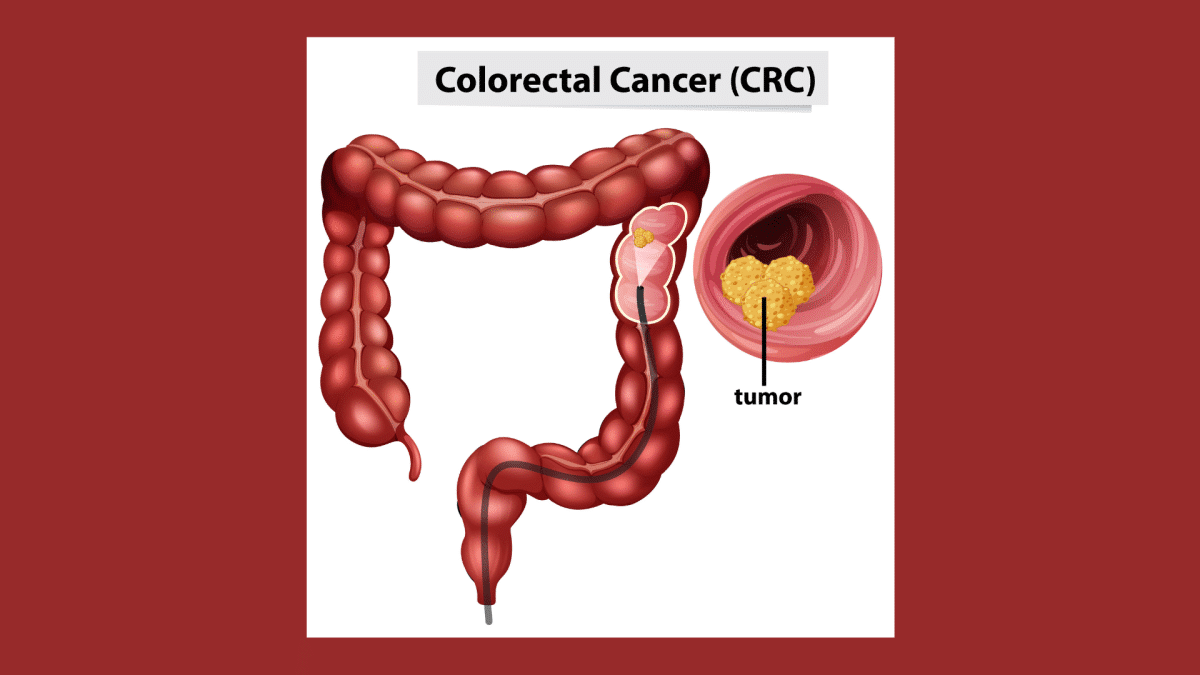
According to Dr. Derek Ebner, a gastroenterologist at the Mayo Clinic in Rochester, Minnesota, cancer can occasionally manifest in both areas.
According to Cohen, colorectal cancer can happen at any time and cannot be prevented. But you can lower your risk by abstaining from smoking and excessive alcohol consumption.
She also stresses the value of eating a diet rich in fruits and vegetables and steering clear of processed meats like bacon and hot dogs.
High red meat consumption is also associated with an increased risk of colorectal cancer, according to the American Cancer Society. According to a 2024 study that was published in the journal Cancer Epidemiology, Biomarkers & Prevention, those who consumed the most red meat were 30% more likely to develop colorectal cancer. According to the same study, the risk was 40% higher for those who consumed the most processed meat.
Screening is crucial since colorectal cancer can have no symptoms.
A change in stool pattern, such as frequent or months-long diarrhea or constipation, or blood in your stool are possible symptoms. Cohen adds that sudden weight loss or stomach pain may also be signs that you need to talk to your healthcare physician.