


















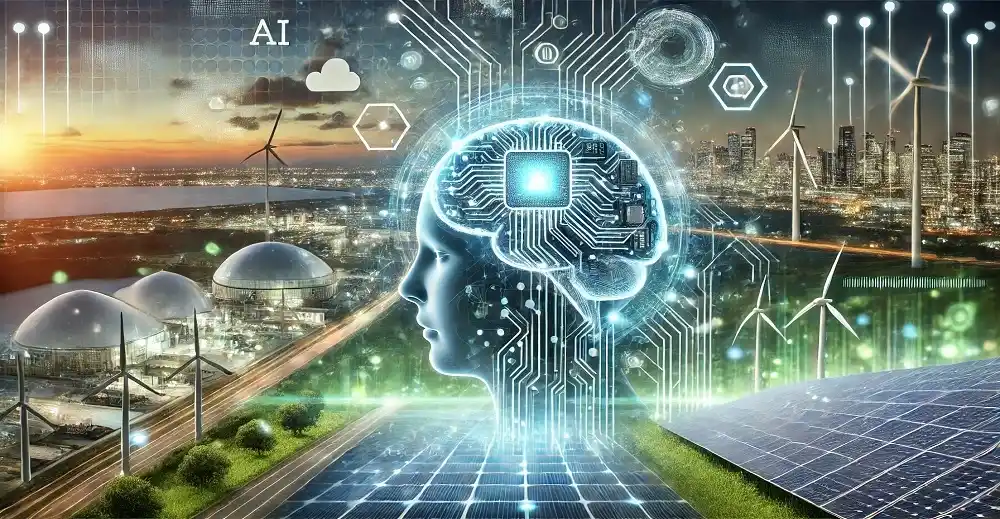
Mark Zuckerberg reaffirmed industry worries that energy supply would eventually emerge as the primary obstacle to the advancement of artificial intelligence (AI) in a podcast released on Friday. Elon Musk’s warning from last month that AI might surpass energy capacity as early as next year was echoed by these worries. AI technology is developing at an exponential rate, according to Musk, increasing by a factor of 10 every six months. Both the energy and chip manufacturing capacities are being strained by this rate of expansion. Large tech firms like Amazon.com, Microsoft, and Alphabet Inc. (Google) are moving into ever-larger data centers as a result of their quick development of AI capabilities. The three businesses are expected to invest more than US$120 billion in data center expansion by 2025, according to ArsTechnica. Energy demand will rise as a result of the rising need for data centers.
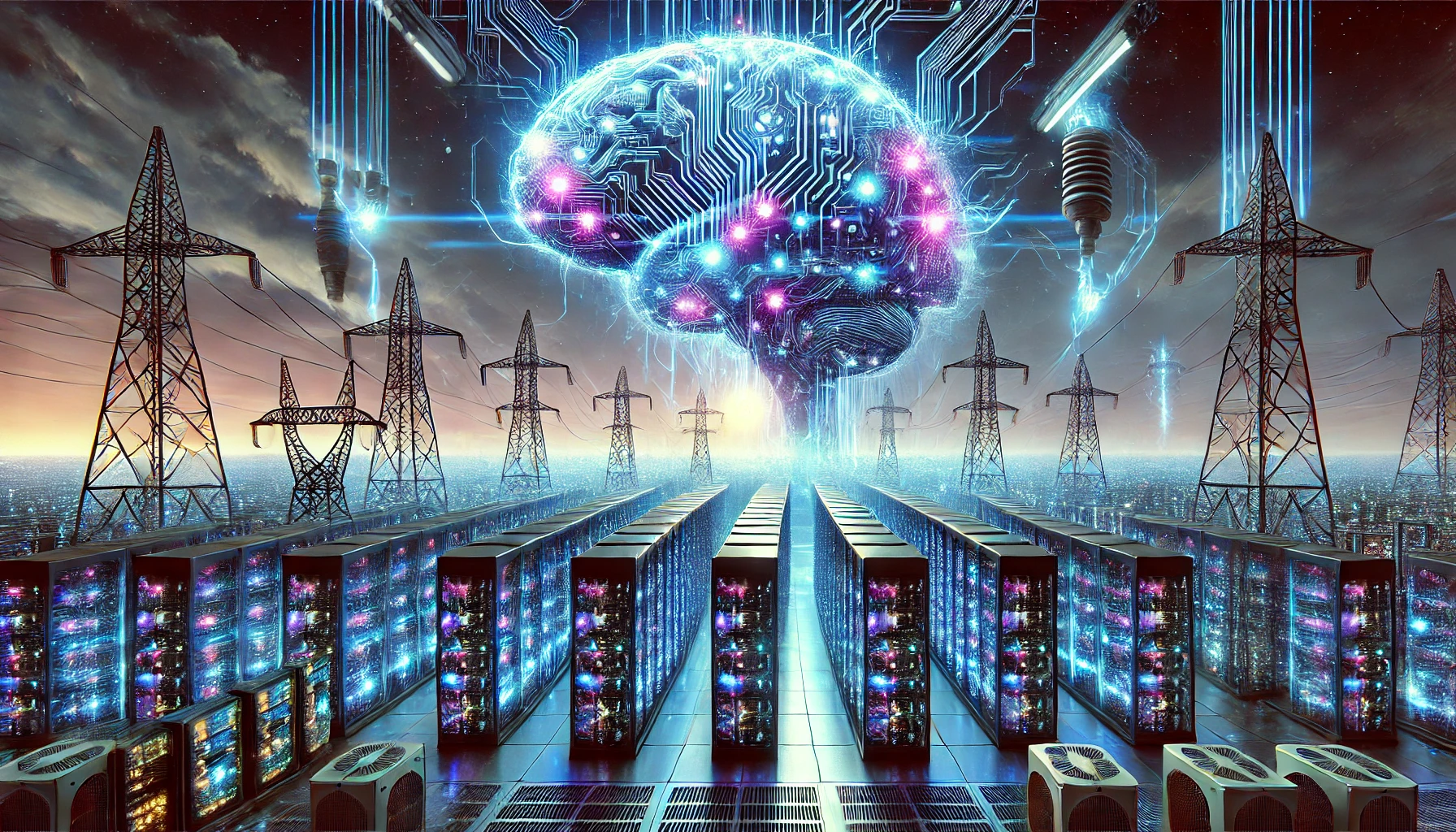
Demand for energy may outpace supply at the current rate of expansion. Zuckerberg, a co-founder of the AI-development lab Meta AI, predicts that 1-gigawatt data centers—a capacity that has not yet been attained—will be required. It will take time to develop power plants to supply that quantity of energy, Zuckerberg said. “Powering a large plant would require a very long-term project. I believe that some people will achieve it, but I do not think it can be as magical as “you obtain a level of AI, get a bunch of funds, and put it in [a huge data].”
Government regulation is one of the obstacles to rapidly increasing the power supply, according to Zuckerberg. “You are talking about many years of lead time when you are talking about installing transmission lines that cross public or private land and building major new power plants or large build-outs.” The AI business is in competition with the electronic vehicle (EV) market for energy supply, which exacerbates the problem. “I believe that the simultaneous growth of electric cars and AI, both of which require electricity and voltage transformers, is creating a tremendous demand for electrical equipment and for electrical power generation,” Musk stated in a teleconference video for the Bosch Connected World conference. What implications might this have for EVs, AI, and the supply and demand of energy worldwide? Its impacts may already be felt by us. Customers of Amazon Web Services (AWS) in Ireland apparently encountered limitations while attempting to create new resources from its Irish data centers. The Register blames these limitations to Ireland’s low electricity supply for AWS data facilities. ChatGPT was requested by Wikinews to compare the growth of AI with energy supplies. The TPIF Framework, which stands for technological advancements, policy support, infrastructure readiness, and financial investment, is the focal point of its reaction. There has not been much editing done to improve the interaction’s appearance or conciseness.