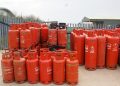















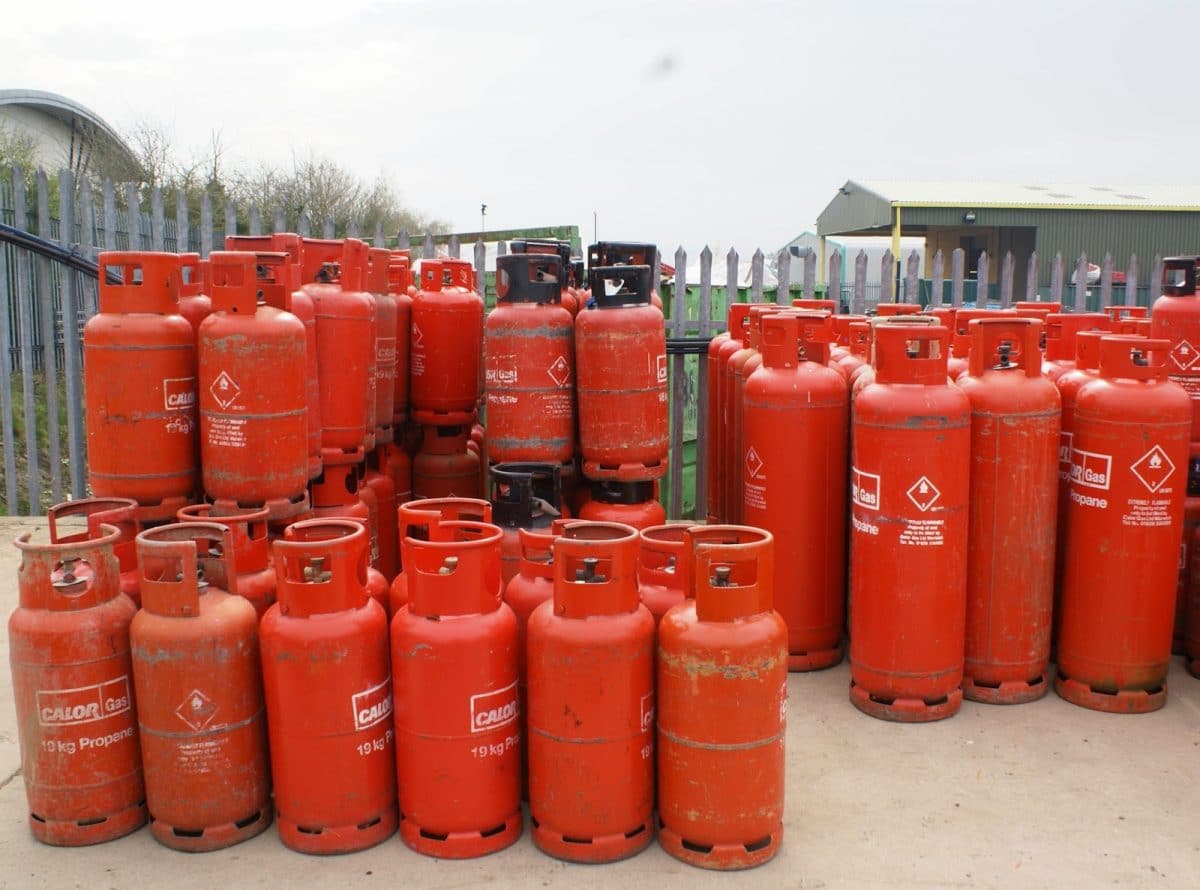
Depending on the location and cylinder size, market observations around the nation indicate that the cost of gas has gone up by 5,000 to 9,000 Rwandan Francs.
A typical bag of charcoal used to cost about 12,000 RWF, but in many places it now costs as much as 20,000 RWF. Many households are already dealing with more general economic issues, such as inflation and income fluctuations, around the time of these increases. The price increase is a major strain for households who rely on charcoal as their main cooking fuel, and some are being forced to reevaluate their regular consumption patterns.
In Rwanda, charcoal is still one of the most popular energy sources, especially in urban and peri-urban areas. Affordability remains a significant obstacle for many homes, despite the government’s continuous efforts to promote greener options like LPG.
This shift is made more difficult by the increase in petrol prices. LPG has long been marketed as a greener and more ecologically friendly substitute for charcoal, assisting in the reduction of indoor air pollution and deforestation. However, some households who had begun switching to gas may be compelled to return to charcoal or other conventional fuels due to the current price hike.
Experts blame a number of variables, such as shifts in the world’s energy markets, transportation expenses, and supply chain interruptions, for the rise in gas prices. Rwanda imports a large amount of its petroleum products, therefore local markets are immediately impacted by changes in global pricing.