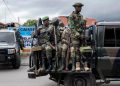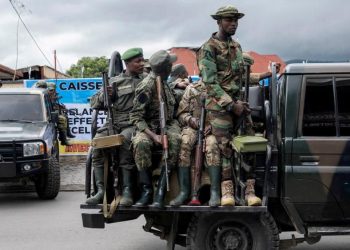
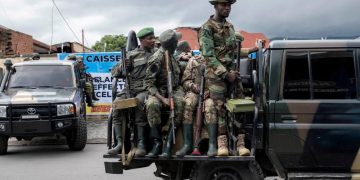












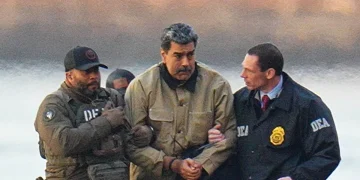

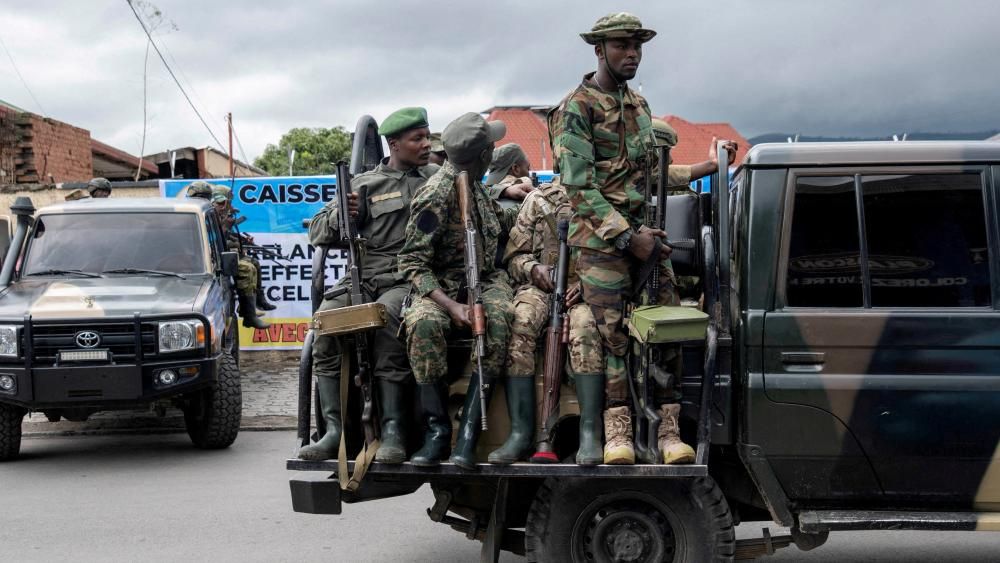
The prisoners left Beni on the evening of Aug. 6 and travelled overnight through Ugandan territory before being handed over to AFC/M23 authorities in Rutshuru territory, in southern North Kivu, on Friday morning.
The operation was carried out after months of delays in implementing agreements aimed at organising prisoner exchanges between the two sides. The process had been slowed by disagreements over legal procedures, verification of identities and the conditions required for simultaneous releases.
The ICRC, which acted as a neutral intermediary, said its role was to facilitate the humanitarian aspects of the operation, including the transfer and handover of detainees, while political decisions remained the responsibility of the parties involved.
The transfer followed a protocol signed in April 2026 between AFC/M23 and the ICRC. The agreement established procedures for identifying detainees, confirming their identities and ensuring that those involved consented to the transfer.
The 15 prisoners transferred to AFC/M23 represent only a small part of a wider detainee exchange process.
In April, the two sides had agreed on a list of 477 prisoners to be exchanged. The list included 311 prisoners held by AFC/M23 who were expected to be handed over to the Congolese government, and 166 prisoners held by Kinshasa who were expected to be transferred to AFC/M23.
The exchange did not take place by the April 28 deadline, despite the existence of lists and preliminary agreements. Sources involved in the process said the main obstacles included legal reviews, the verification of detainees and disagreements over whether both sides were ready to release prisoners at the same time.
Other figures mentioned during negotiations concern different categories of detainees and military personnel.
AFC/M23 and other sources referred to between 2,000 and 3,000 FARDC soldiers who were expected to undergo identification and verification procedures before possible transfer. The rebel movement also claimed that around 700 prisoners were being held by Congolese authorities, a figure Kinshasa has not publicly confirmed.
Reports also referred to around 1,500 FARDC soldiers who were sent to the Rumangabo camp near Goma for what AFC/M23 described as “reconditioning”, as well as more than 300 members of the Republican Guard, the force responsible for protecting the Congolese president, who were reportedly captured during fighting.
These numbers are separate from the 477 prisoners included in the formal exchange plan agreed in April.
A difficult cross-border operation.
The transfer of the 15 prisoners required a complex security and logistical arrangement.
The convoy left Beni, travelled along the Beni-Kasindi route, crossed through Uganda and later returned to Congolese territory before reaching Rutshuru.
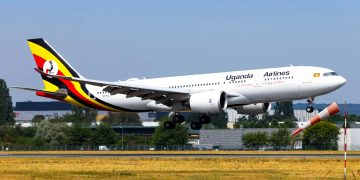
The involvement of Uganda was necessary to facilitate the transit, while health measures were reportedly put in place due to Ebola concerns affecting the region.
The ICRC said the operation demonstrated the importance of neutral humanitarian channels in conflict situations, but stressed that future transfers would depend on agreements between the parties.